Tensions Between US and Iran Remain High Amid Protests and Military Posturing
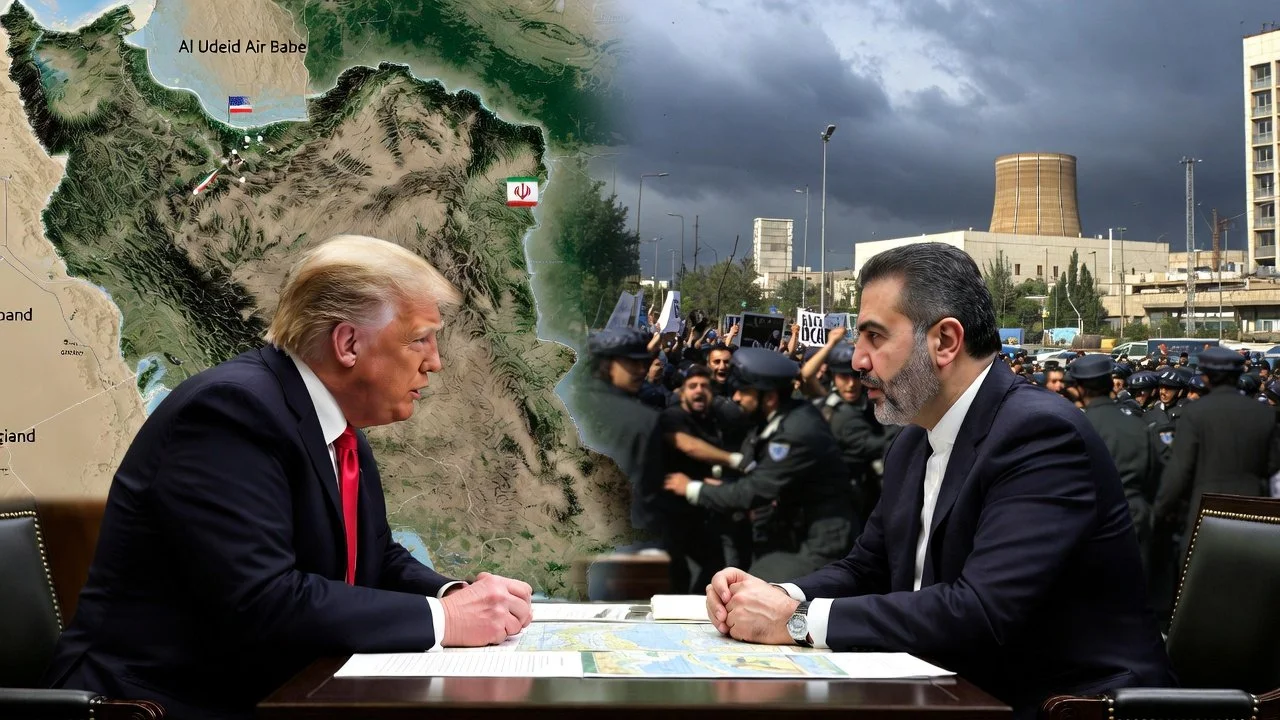

Tensions between the United States and Iran continue to simmer on January 15, 2026, as the two nations navigate a volatile mix of domestic unrest in Iran, threats of military intervention, and last-minute diplomatic maneuvering. While fears of imminent US strikes have eased slightly following assurances from Tehran, the situation remains precarious, with troop movements, airspace disruptions, and warnings from both sides keeping the region on edge.


The crisis stems from widespread anti-government protests that erupted in early January across Iran, initially triggered by a dramatic collapse of the national currency and runaway inflation. Demonstrations have since escalated into a broader challenge to the Islamic Republic's leadership, with reports of violent crackdowns by security forces. Human rights groups and opposition sources estimate hundreds to thousands of deaths since January 8, though official Iranian figures remain disputed and significantly lower. Internet blackouts and restricted access have made independent verification difficult.


US President Donald Trump has repeatedly weighed in, framing the protests as a popular uprising against an oppressive regime. He warned earlier this month that the US would take "strong action" if Iran continued mass killings of demonstrators, stating the military was "locked and loaded." On January 14–15, Trump announced he had received assurances from Iranian sources — via undisclosed channels — that "the killing has stopped" and no executions of protesters were planned. He described the situation as calmer but cautioned he would "watch it and see," leaving military options open.


In response to the heightened risks — including memories of Iran's 2025 missile retaliation against the US Al Udeid base in Qatar following American strikes on Iranian nuclear sites — the Pentagon began withdrawing nonessential personnel from key regional installations, particularly Al Udeid Air Base in Qatar, the largest US military facility in the Middle East. Qatar described the drawdown as a precaution amid "current regional tensions."


Iran, for its part, briefly closed its airspace to commercial flights early Thursday, causing widespread disruptions before reopening around 0300 GMT. Iranian officials denied plans for mass executions and accused the US of exploiting the unrest through a "misinformation campaign." Foreign Minister Abbas Araghchi urged diplomacy, warning that any US military intervention would be "catastrophic." The Islamic Revolutionary Guard Corps (IRGC) declared it was at "peak defensive readiness," with increased missile stockpiles.


Diplomatic efforts appear to have gained traction. Reports from Arab states, cited by the Financial Times, suggest intensive regional diplomacy — including warnings about potential energy price spikes and Gulf instability — has convinced the US to pause immediate action. Saudi Arabia reportedly assured Tehran it would not allow its airspace or territory for strikes against Iran. Some sources indicate the US has communicated to Iran its current intention not to attack, at least in the short term, though all military options remain on the table.


The United Nations Security Council is scheduled to discuss the Iranian situation today at Washington's request, while G7 foreign ministers have condemned the crackdown and threatened "additional restrictive measures."


The backdrop includes Iran's ongoing nuclear advancements. Since the US withdrawal from the JCPOA (Iran nuclear deal) in 2018, Tehran has significantly expanded uranium enrichment activities — now at levels far beyond the agreement's limits — amid stalled revival talks. Recent history, including the 2025 Israel-Iran 12-day war involving US strikes on Iranian nuclear facilities, adds to mutual distrust.


While a direct military clash appears less imminent today than 24 hours ago, analysts warn the situation is fluid. Protests persist in multiple Iranian cities, economic pressures continue to mount, and any major escalation in repression could quickly reignite threats of intervention.


The coming days will be critical as the US weighs diplomacy against military pressure, Iran seeks to stabilize internally, and regional powers work to prevent a wider conflict. For now, fragile assurances and back-channel communications offer a narrow window to de-escalate — but the powder keg remains very much in place.